Node.js backends
built for
throughput
and reliability.
I design and ship production Node.js services: REST and GraphQL APIs, background workers, PostgreSQL and Redis, message queues, webhooks, and integrations that stay fast under load.

// the_pattern
The MVP works. Then traffic and integrations break things.
N+1 queries, blocking I/O, fragile webhooks, and missing idempotency quietly erode reliability. Here's what usually shows up first in production:
Database hot spots and missing indexes under load
Impact: P95 latency spikesSynchronous third-party calls on the request path
Impact: Cascading timeoutsWebhook handlers without idempotency or replay safety
Impact: Duplicate side effectsNo backpressure on queues and workers
Impact: Memory / OOM riskSecrets and env drift across staging and prod
Impact: Incident frequencyWeak observability — logs without correlation IDs
Impact: Slow MTTR// process
How I Build Production-Ready Node Backends
API contracts first, async by default, observable by design — so your Node stack scales with traffic and partner integrations.
API + Data Model First
Define routes, schemas, auth boundaries, and query patterns before optimizing. Postgres, Redis, or document stores — chosen for the workload.
Async Workflows + Integrations
Offload heavy work to Bull, SQS, or similar. Idempotent webhooks, retries with jitter, and circuit breakers for third parties.
Observability + Hardening
Structured logging, metrics, tracing, and health checks so incidents are obvious and recoverable. Load tests on critical paths.
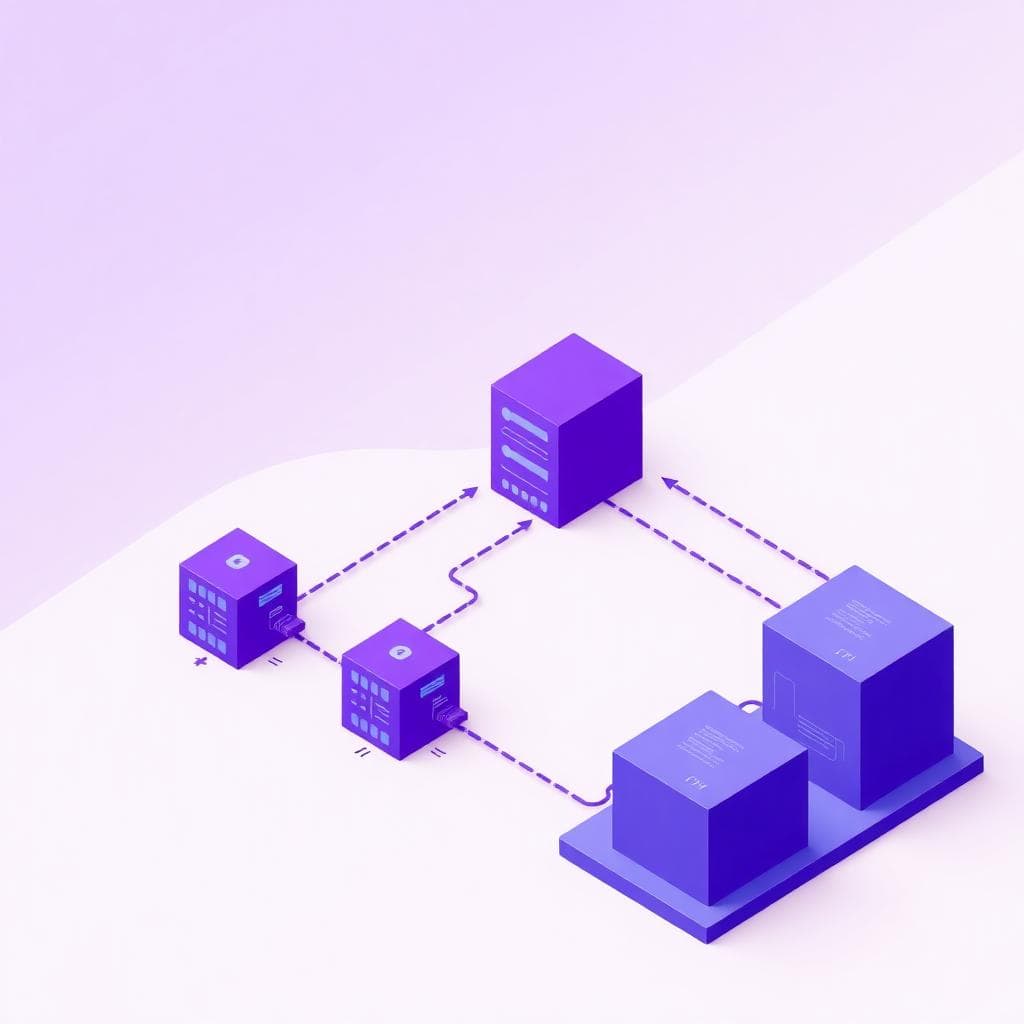
Real results. Real data.
Every backend is measured by latency, uptime, and operational cost under real traffic.
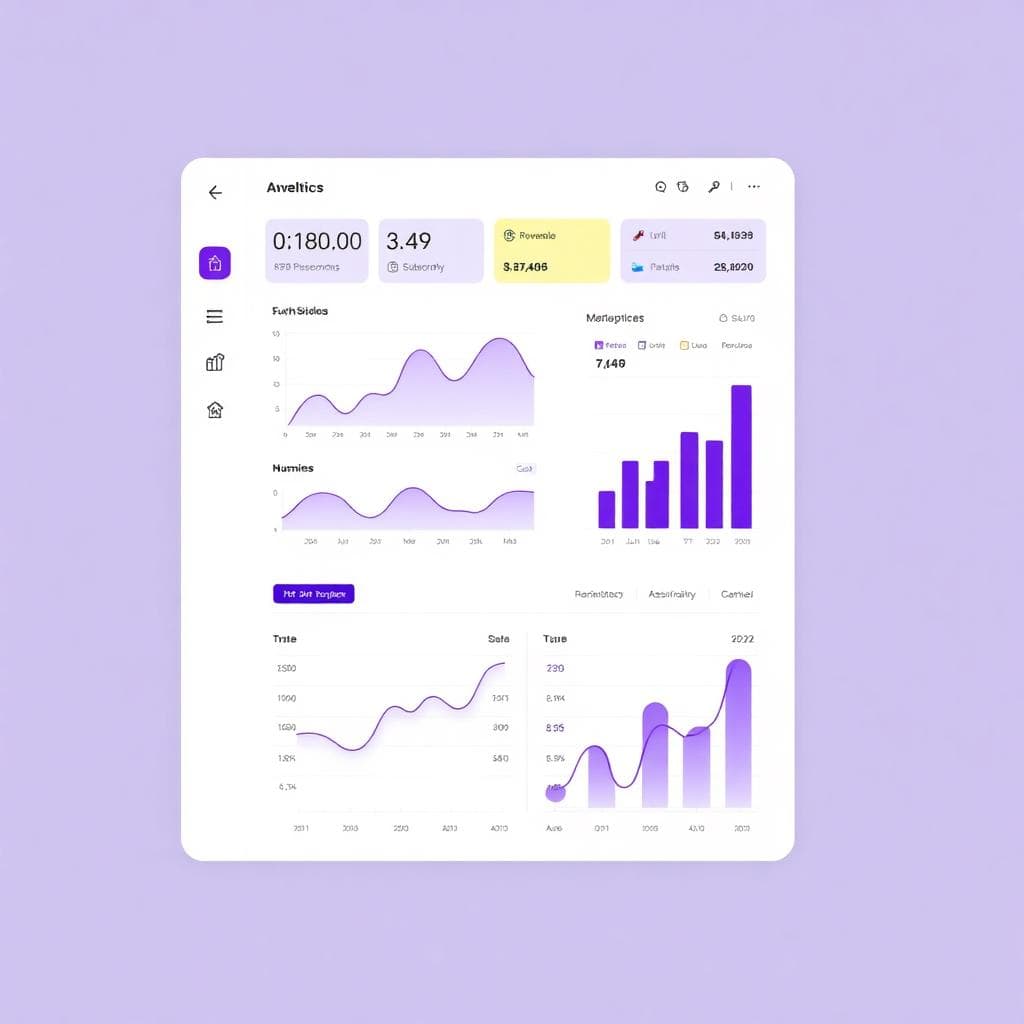
High-Traffic REST Platform
Rebuilt core read paths with caching, query optimization, and connection pooling. Moved heavy writes to async workers without losing consistency guarantees.
- •Introduced read replicas and cache-aside for hot entities
- •Standardized error shapes and request correlation IDs
- •Cut DB CPU by 52% after index and N+1 fixes
- •Added load tests in CI for top ten routes
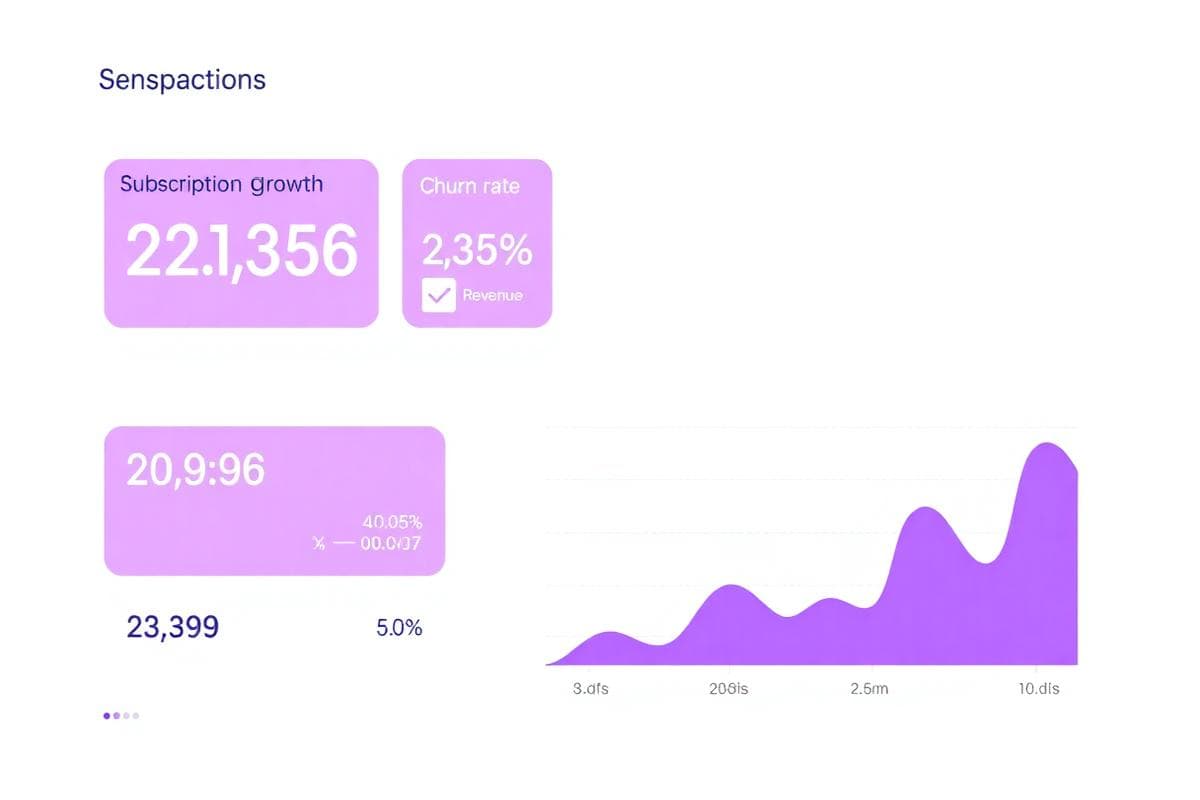
Webhook & Billing Pipeline
Implemented idempotent webhook ingestion, outbox-style delivery, and retry policies so billing state never drifts from payment provider events.
- •Signature verification and event ordering guarantees
- •Dead-letter queues and manual replay tooling
- •Reduced finance reconciliation time by 4x
- •Full audit trail per subscription lifecycle
Distributed Service Mesh
Split a monolith into Node microservices with clear boundaries, internal RPC, and shared auth. Event-driven updates for cross-service consistency.
- •Service discovery and health checks per deployment
- •JWT + mTLS patterns for service-to-service auth
- •Event bus for decoupled domain updates
- •Cut mean incident MTTR from 94m to 31m
186+
Services
3.8B
Calls/mo
<52ms
P95
Node backend architecture components
Building blocks for APIs, workers, data, and integrations on Node.js.
HTTP / GraphQL Layer
Express, Fastify, or Nest with validation, versioning, and consistent errors.
Read morePostgres / Mongo Data Tier
Migrations, transactions, read paths, and slow-query discipline.
Read moreIntegrations & Webhooks
Stripe, SendGrid, Slack, and custom partners with idempotent handlers.
Read moreQuestions I'll ask about your Node backend
So we can pinpoint bottlenecks and design the right service boundaries.
What is your traffic profile — reads vs writes, and peak RPS?
Shapes caching, connection limits, and whether to split read/write paths.
How do you handle database migrations and zero-downtime deploys?
Expand-contract patterns and backward-compatible APIs reduce rollout risk.
Which external webhooks or payments must be strictly idempotent?
Idempotency keys and deduplication tables prevent financial and state bugs.
What does your observability stack look like today?
Logs, metrics, and traces determine how fast you can fix production issues.
Let's harden your Node.js backend.
Book a 30-minute call with Kavya. Share your stack, traffic, and pain points to get a clear plan for APIs, data, queues, and integrations.
Book a Backend Architecture Call